Up Cloud Gaming vs downloading games is not a contest with one winner; it is a trade between storage and connection, permanence and flexibility. Each approach asks something different from you — one wants gigabytes of space and patience, the other wants a steady network every time you play.
This comparison scores both approaches honestly across the categories that matter, to help you decide which fits your phone, your data plan, and your habits with the Up Cloud Gaming app.
The Core Difference
Downloading a game means the whole game lives on your device: it needs storage, installation time, updates, and hardware strong enough to run it. Cloud gaming means the game lives on a server: your device streams the picture and sends inputs, needing a good connection instead of a powerful chip.
Neither approach is simply better. They suit different homes, different phones, and different relationships with data and storage. The sections below score the trade honestly, category by category.
Time is a cost in both directions, and it is worth counting honestly. Downloads spend your time up front — sometimes hours before the first minute of play, plus update time forever after. Streaming spends nothing up front but asks for connection quality throughout. Which currency you would rather pay depends on whether your evenings are longer on patience or on bandwidth.
Storage and Getting Started
Cloud gaming wins this round clearly. Modern games can demand 50 GB or far more, plus patches; the streamed equivalent needs only the app itself. You can try a game in minutes rather than after an overnight download, and trying five games costs no more storage than trying one.
Downloaded games answer with permanence: once installed, the game is simply there, ready instantly, with no dependence on a service being reachable. If your storage is plentiful and your favourite list is short, that simplicity is genuinely attractive.
Data, Connections, and Where You Play
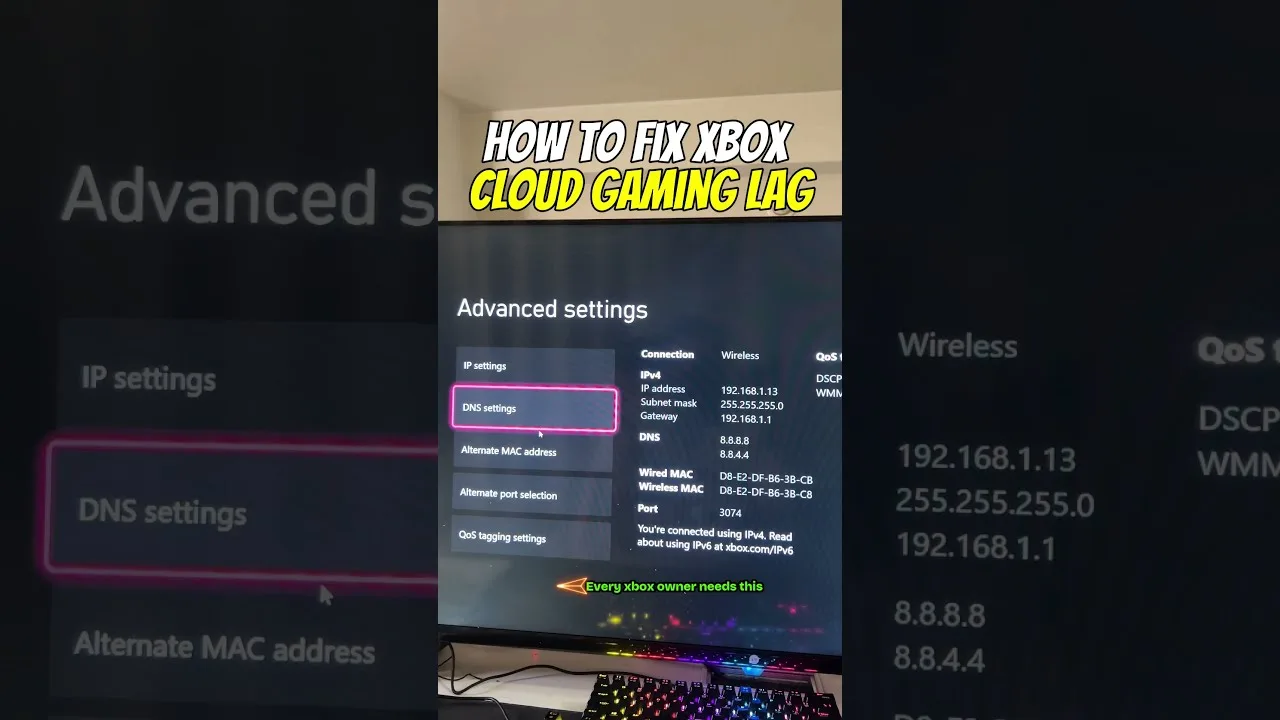
Here the balance reverses. A downloaded game, once installed, sips data; playing it on a train, a plane mode connection, or a house with patchy broadband costs nothing extra. A streamed game drinks data continuously and needs a connection that stays healthy for the whole session.
The full picture of what streaming consumes is laid out in our Up Cloud Gaming data usage explained guide. For players on generous home broadband, that cost is invisible; for players on tight mobile data, it can decide the question by itself. Note also that the download page route means installing a full game also ties up your connection for hours up front — the data is spent either way, just at different times.
Offline play is the downloaded game's strongest card, and for some players it ends the debate: a commute through dead zones, a rural connection, a flight. Equally, for a city player with fibre broadband and a phone bursting at its storage seams, streaming's card — the entire library, instantly, on modest hardware — ends it the other way. Context is the whole argument.
Performance and Picture Quality
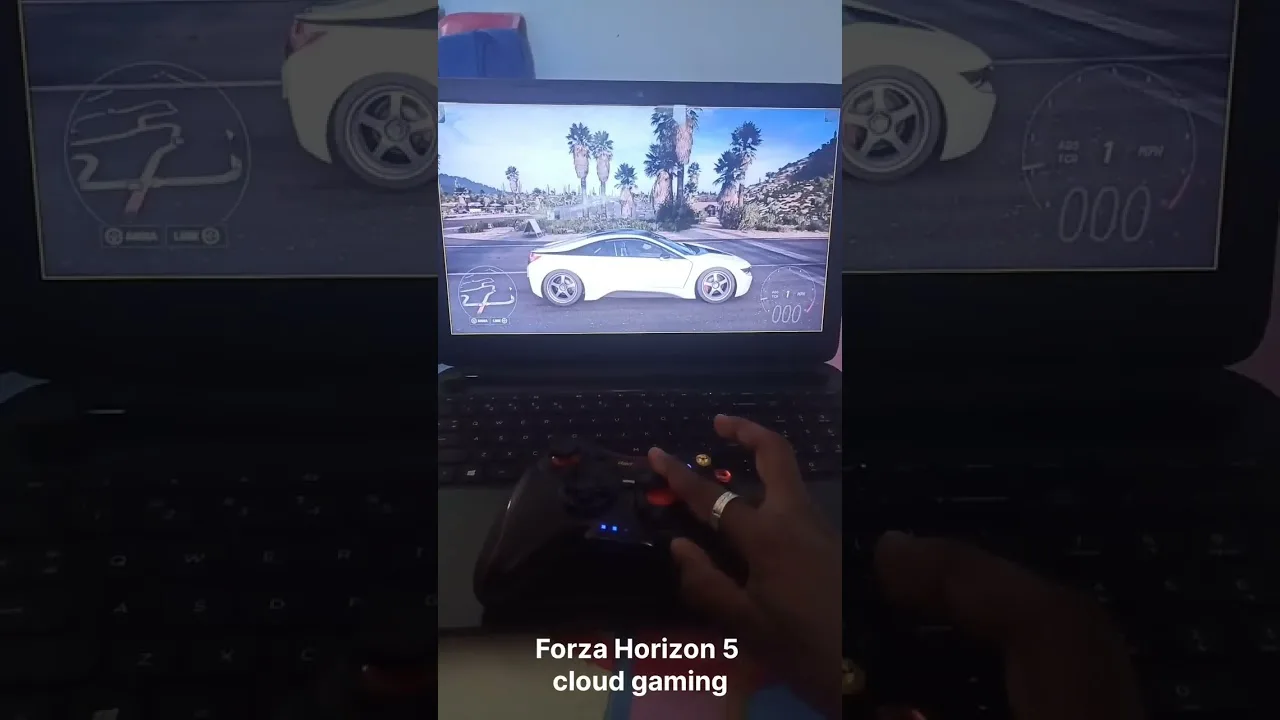
A streamed game can look better than your phone could ever render locally, because a powerful server draws the picture. That is the magic trick of the platform, and our explainer on how Up Cloud Gaming works on Android shows the machinery behind it.
Downloaded games counter with consistency: no compression, no quality dips when the network hiccups, and the lowest possible input delay. On strong local hardware, local play is the purest version of a game. On modest hardware, the comparison flips — the stream wins by a distance.
Input delay is the honest cost that remains. A local game answers your hands in single-digit milliseconds; a stream adds the journey to the server and back. For most genres that difference is below the threshold of caring, but it never fully disappears, and pretending otherwise helps nobody. The mature verdict is situational: if your favourite games are twitch-critical and your hardware is strong, downloads defend their crown. If your taste is broad, your storage is small, and your connection is good, the stream's crown is equally real — and most players, given both options, end up wearing each on different days of the week.
Cost, Libraries, and Trying New Games
Streaming lowers the cost of curiosity. Sampling a genre you have never tried, or playing a huge title for one weekend, does not demand storage surgery or faith in a purchase. Libraries built around streaming encourage breadth.
Downloading suits depth and collection: games you return to for years, modifiable titles, and play in places connections do not reach. Many players end up hybrid — streaming for discovery and heavy titles, downloading the few games that become permanent residents.
Think of it as a shelf and a river. Downloads are the shelf: chosen carefully, owned proudly, always within reach. Streaming is the river: vast, immediate, dependent on conditions, wonderful for exploration. A good gaming life can have both, and the players happiest with their libraries are usually the ones who stopped asking which is better and started asking which fits this game, this week, this connection.
Final Thoughts
Choose streaming when storage is tight, hardware is modest, and your connection is strong; choose downloads when the connection is weak, data is precious, and a few beloved games dominate your time. Most players land somewhere in the middle — and knowing the trade clearly is what makes either choice a good one.